
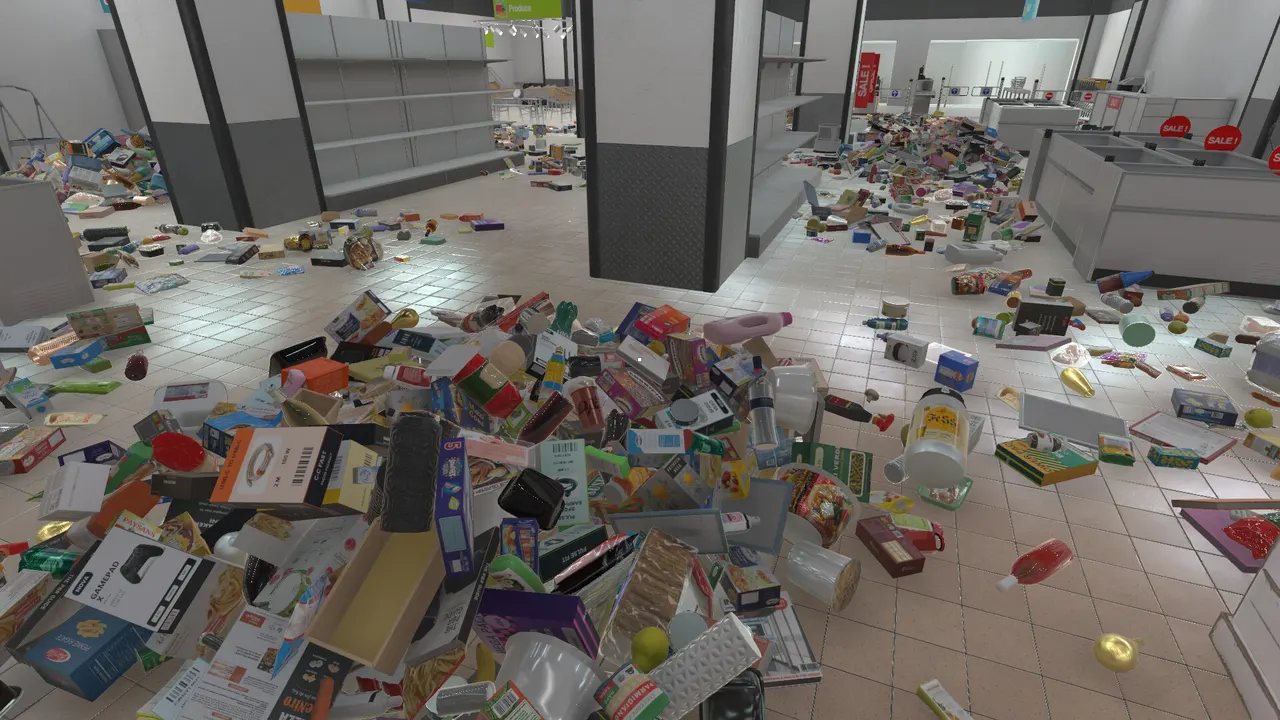
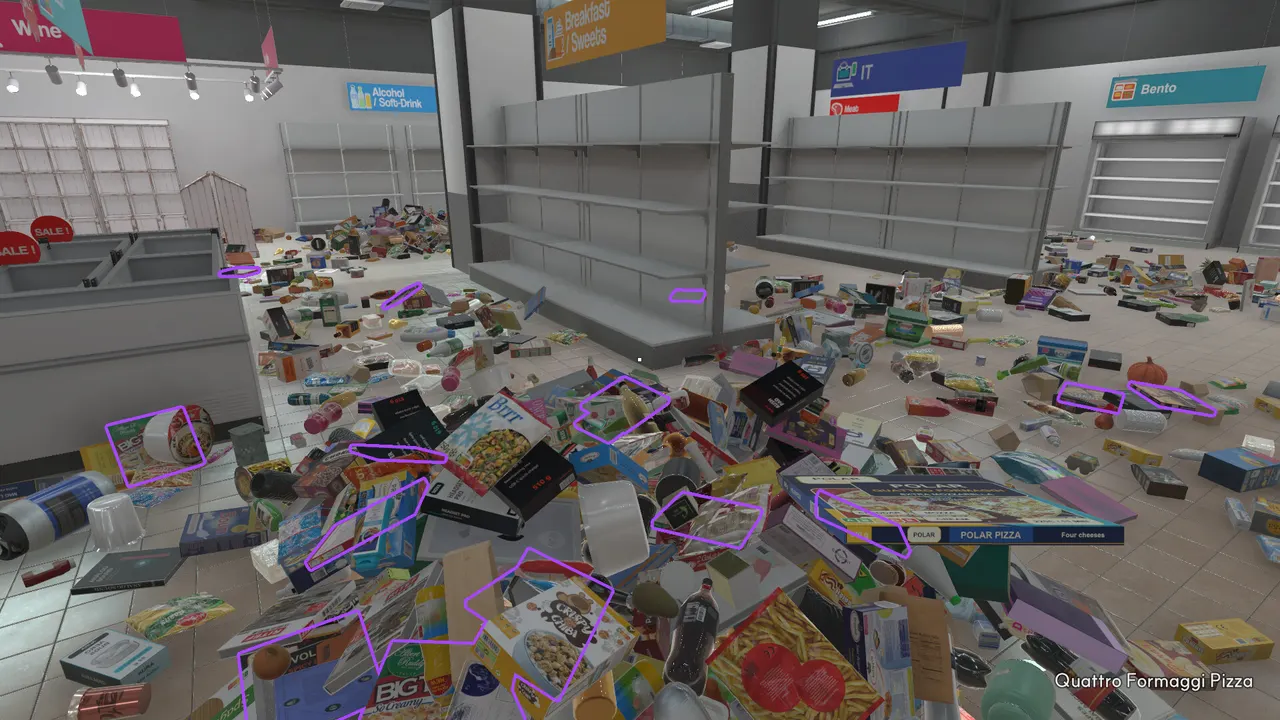
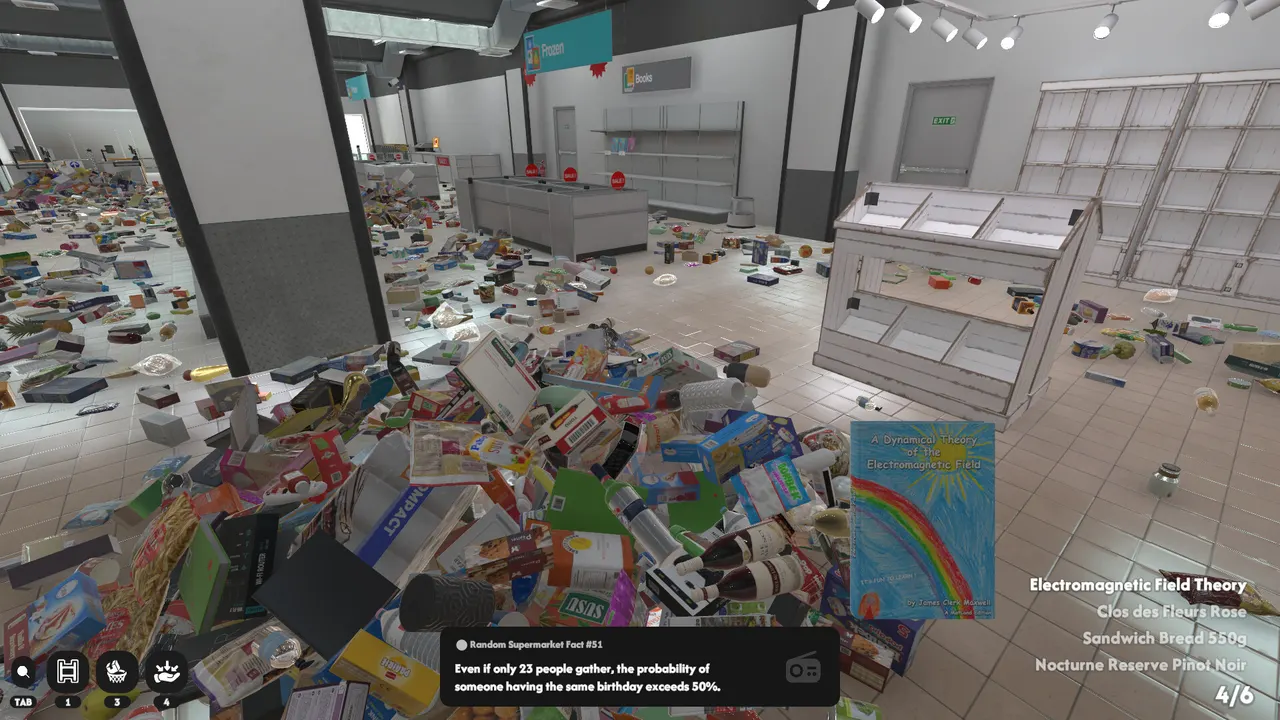
Supermarket Chaos is a cozy organizing simulator from BunnyHop and BunnyHopHome. The Steam launch version asks you to place 4,668 scattered products back into 16 store sections, with no time limit and no game over pressure. This wiki is built around the actual player problem: learning the store, making reliable section decisions, buying useful upgrades, and finishing the last shelves without losing track of the route.
Quick facts
The official Steam page lists Supermarket Chaos as an indie simulation game released on Jun 29, 2026. It supports Steam achievements, full controller support, Steam Cloud, and single-player play at launch. The developer news feed moved quickly after launch, with patches for signs, product names, backup file loading, VSync, wide-resolution issues, Polish font rendering, and controller selection. On Jul 5, 2026, the developer also named multiplayer as the next major goal, while explaining that the current game was built around single-player structure.
Wiki directory
Use this directory as the main map of the wiki. The site is intentionally flat: core guide pages live at top-level routes, and the section details are consolidated into the Sections Hub instead of being split into thin third-level pages. Start with Beginner Guide if the store feels overwhelming, Section Map if products keep landing in the wrong family, Sections Hub for category anchors, and Upgrades or Achievements when your route is already stable.
Beginner Guide
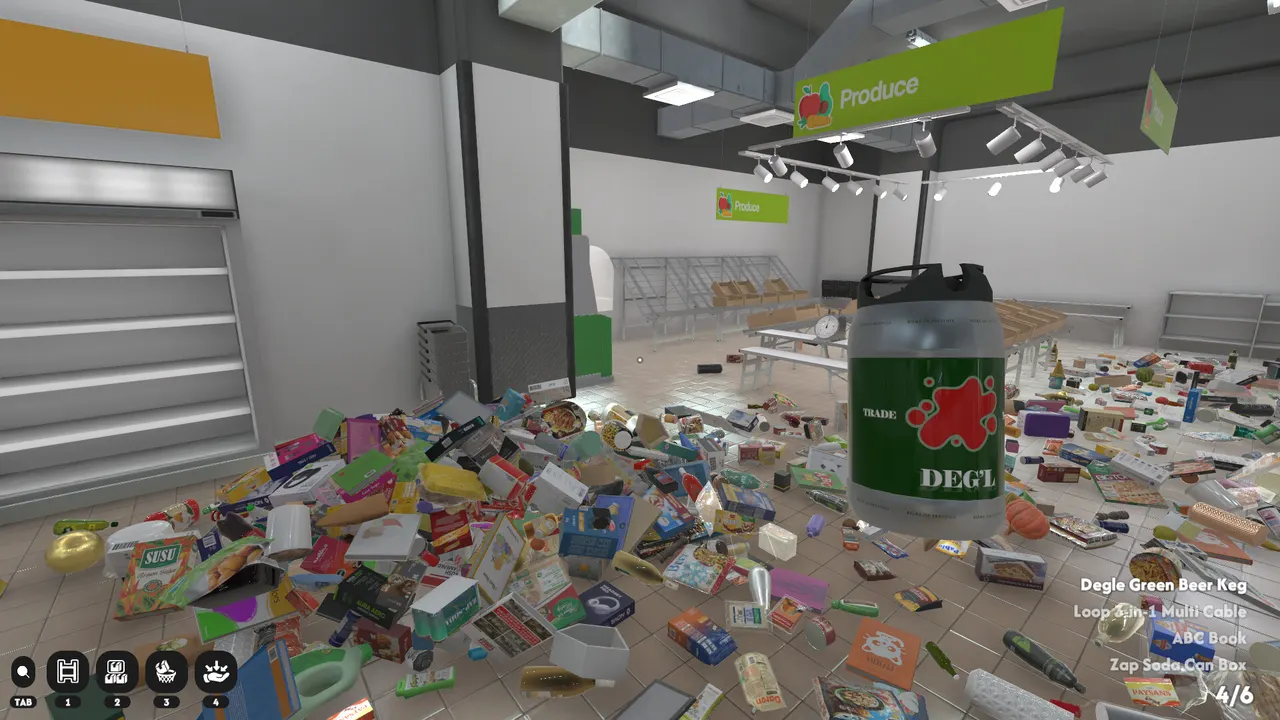
Start with scouting, temporary piles, shelf labels, and a first cleanup loop that does not scatter products.
Section Map
Understand the 16-section problem before guessing individual shelf locations.
Sections Hub
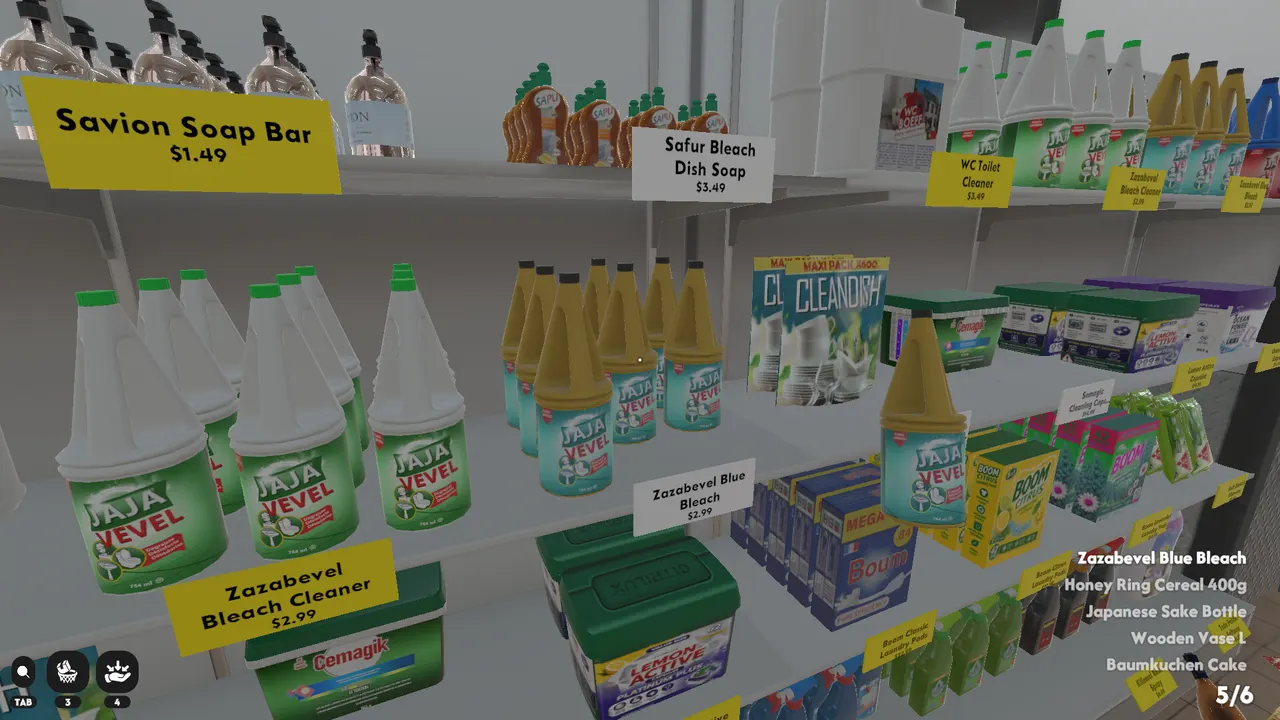
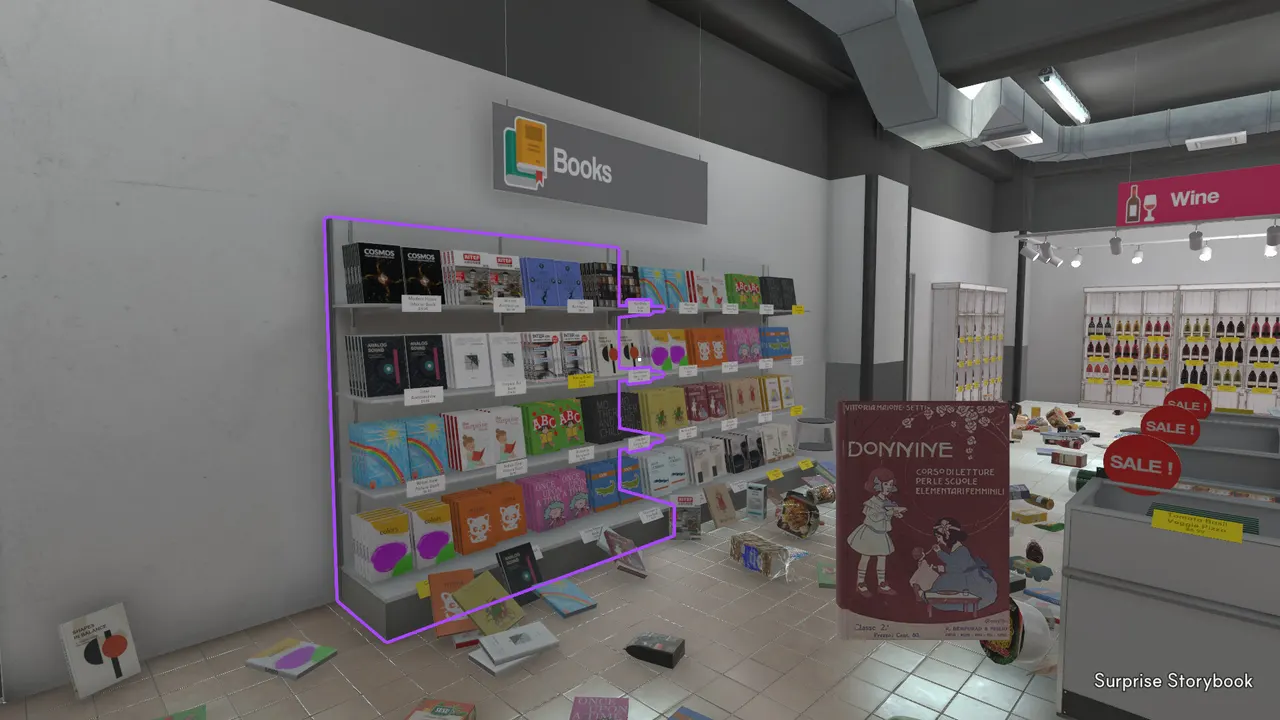
Use one flat section hub for Produce, Tea, Frozen Foods, Books, Wine, Ramen, Cleaning Goods, and Bakery and Sweets.
Upgrades
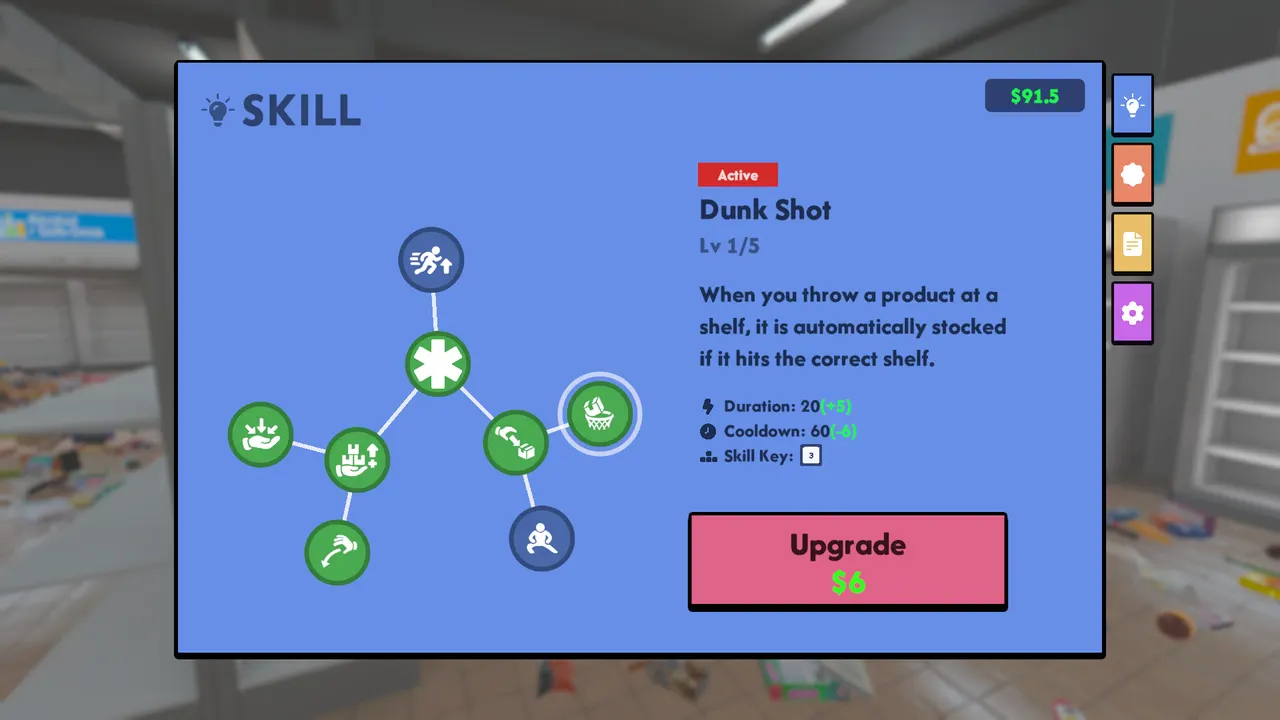
Choose movement, carrying, or search upgrades based on the current bottleneck.
Achievements
Track the 12 Steam achievements without turning the final shelves into a scavenger hunt.
Patch Notes
Follow launch-week fixes, readability changes, backup loading, product preview, and multiplayer direction.
Release and Platforms
Check Steam launch facts, controller support, Steam Cloud, languages, and PC requirements.
FAQ
Get short answers about products, sections, upgrades, achievements, time limits, and multiplayer status.
Glossary
Clarify route terms such as temporary pile, shelf family, exact label match, bottleneck, and final cleanup.
Route-first wiki structure
A full list of 4,668 product names would be noisy without verified game data. The useful first layer is a section-first route. Learn the overhead signs, split product families into temporary piles, use price labels for final placement, then spend upgrade money where walking, carrying, or searching slows the run. The home page now points to one directory, one section hub, and a small set of deep guide pages. That keeps navigation clear while leaving room for longer, more useful content on each page.
Known section anchors
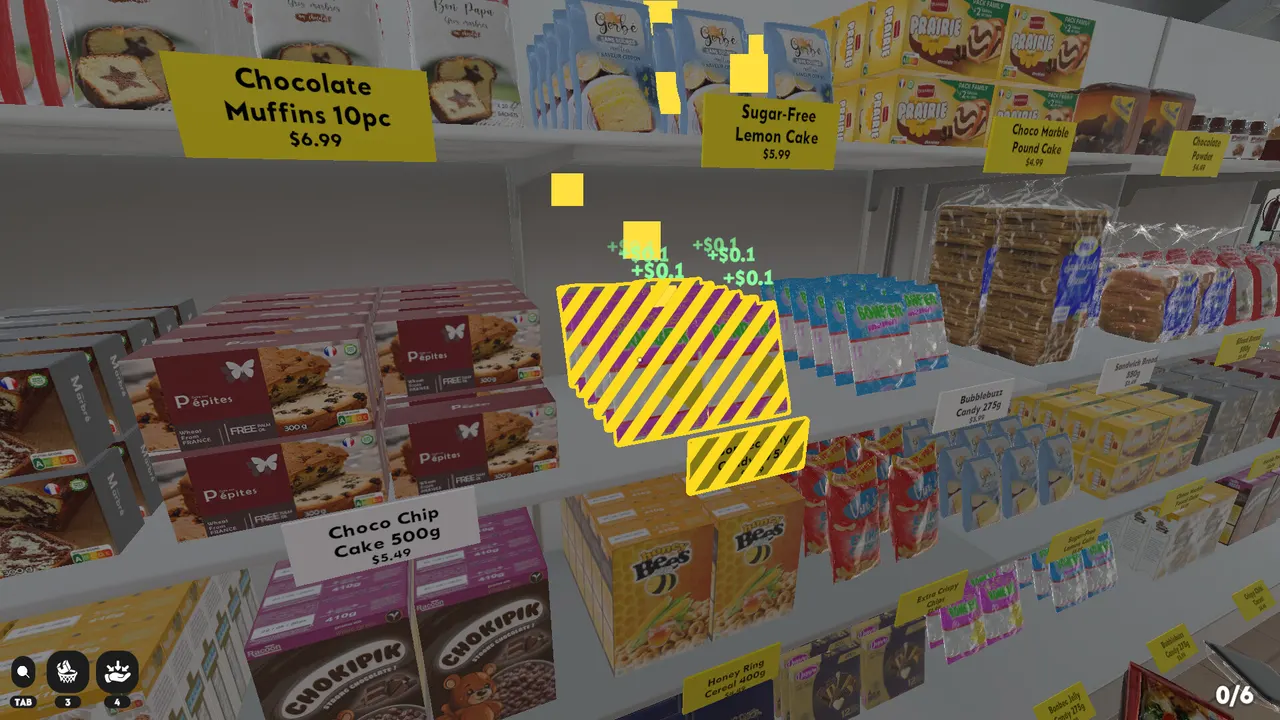
Official copy names fruit, tea, frozen foods, books, wine, and ramen as examples among the 16 sections. Steam screenshots also show a clear Produce area plus cleaning goods and bakery/sweets shelves with readable price tags. Those anchors now live together on the Sections Hub, so players can compare product families without jumping through several short pages. New anchors should be added only when the sign, shelf label, or official copy can be checked.
Latest update angle
The launch week patches matter because Supermarket Chaos depends on readable signs and labels. Patch 1.0.6 improved sign text and product names. Patch 1.0.7 added product preview support and fixed several controller and language issues. Patch 1.0.8 changed the wine drawer shape and added backup-file loading from settings. Those are not cosmetic footnotes; they directly affect how quickly a player can identify the right shelf. Patch Notes keeps the timeline separate from evergreen route advice so the wiki does not mix temporary version issues with stable sorting rules.
FAQ
What is Supermarket Chaos about?
It is a calm first-person organizing simulator about putting a supermarket back in order. The launch task is to place 4,668 products into the right shelf locations across 16 sections.
Is there a time limit?
The Steam page describes the game as relaxed and low pressure, with no time limit and no game over. The challenge is organization and patience, not racing a timer.
Should I memorize every product?
No. Start by learning section families and shelf label logic. Individual product memory helps later, but section routing solves more mistakes during the first half of the cleanup.